
Beauty is everywhere - You just have to listen | Mohair South Africa
Discover how Mohair South Africa's short film captures the sensory beauty of mohair across the entire value chain - from Karoo farm to finished fibre. A film about listening.
CLIENT
Mohair South Africa
INDUSTRY
Natural Fibre - Mohair
SERVICES
Videography, Natural fibre photography, editorial, industry video
Mohair South Africa came to me with an ambitious challenge: Capture mohair across its entire value chain in a way the industry hadn’t seen before. All the way from the living fibre on Angora goats, through every stage of processing, all the way to the finished product and do so through a single, cohesive creative concept.
The brief was not to tell mohair's story in chapters. It was to find the one thread that runs through all of it, something that could hold together the vastness of the value chain without feeling disjointed or under valuing any step of the process.
The Concept:
Beauty is everywhere, you just have to listen
The insight at the heart of this film is simple and profound: mohair is one of the most sensory fibres in the world, and its beauty reveals itself not just to the eye but to the ear.
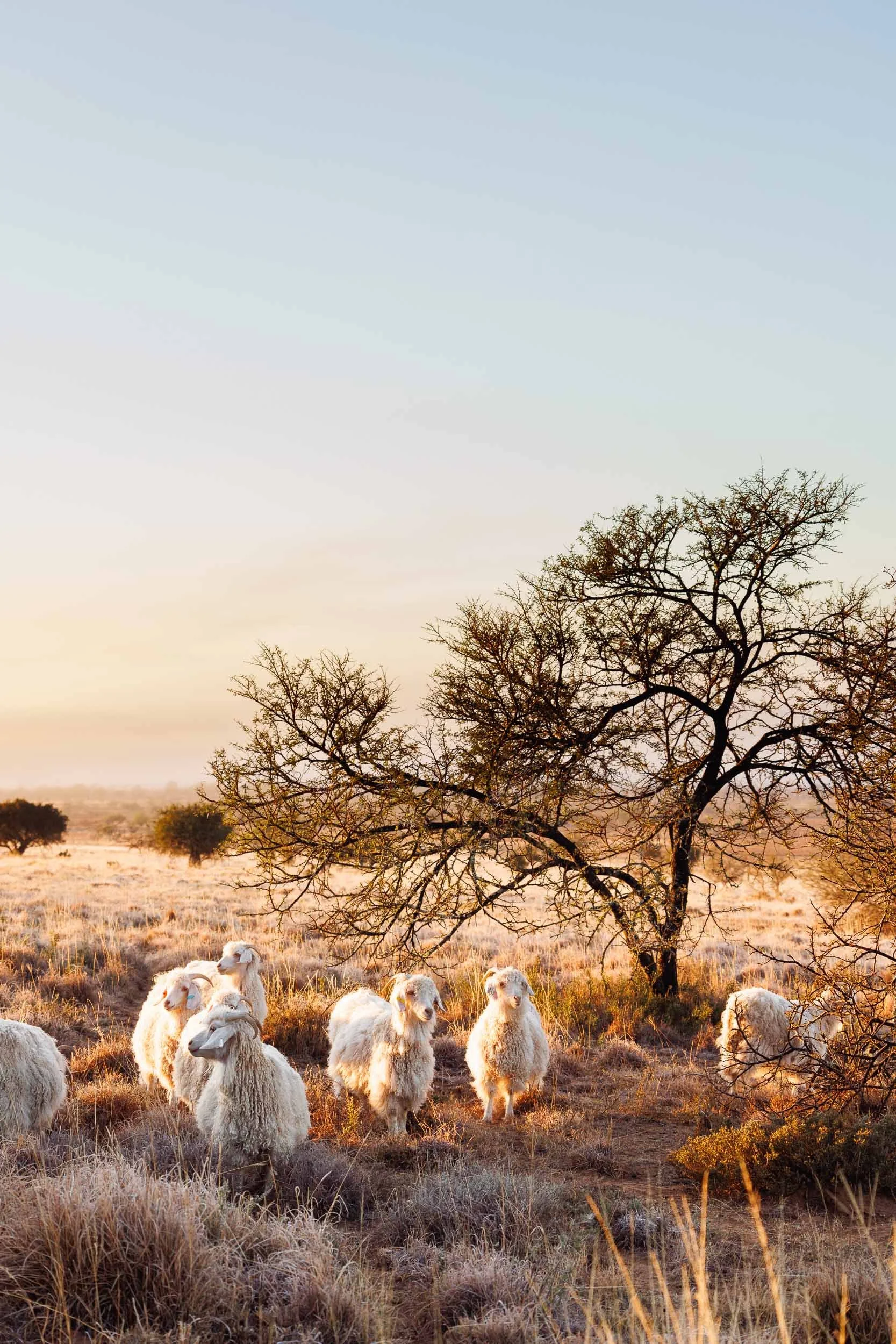
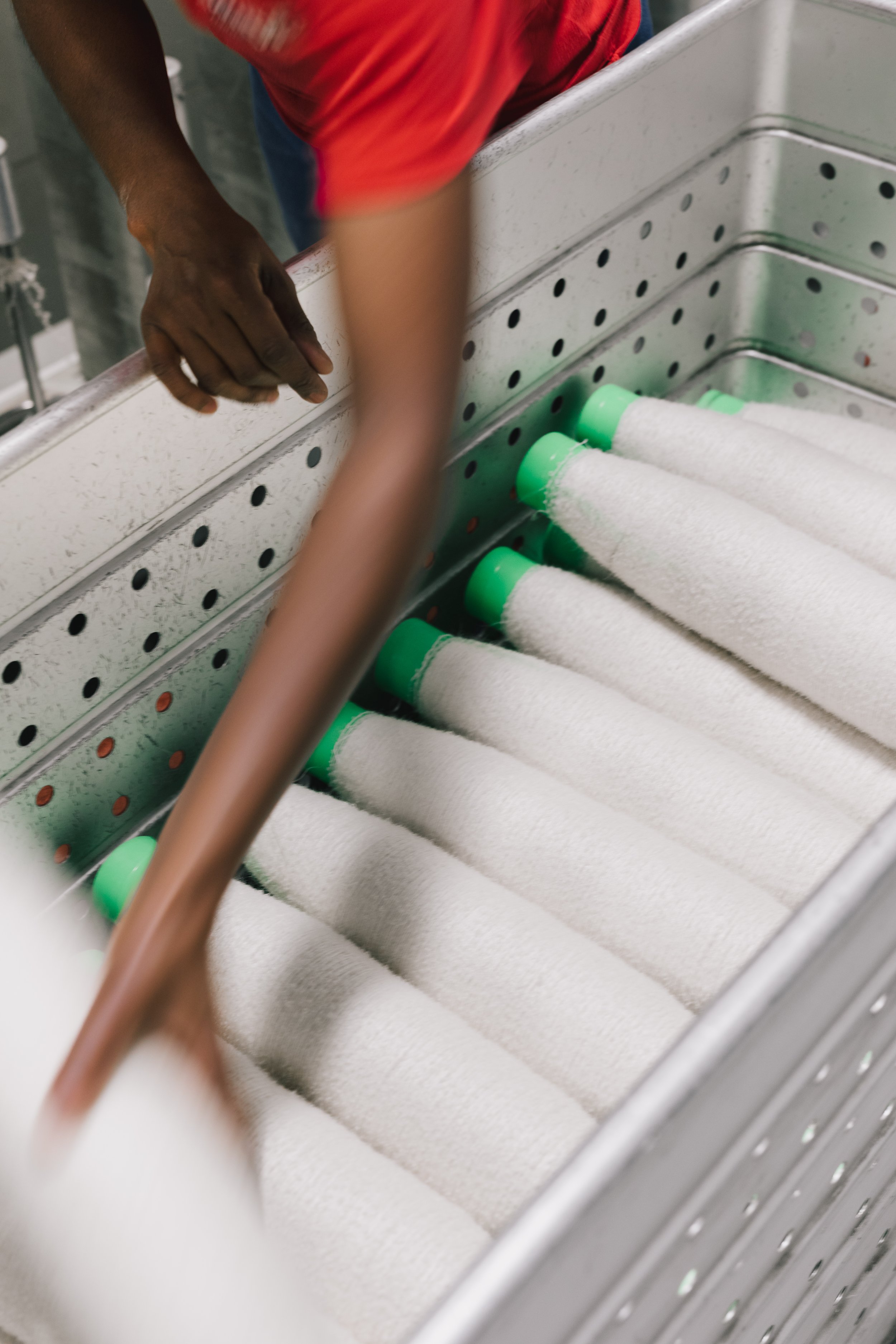
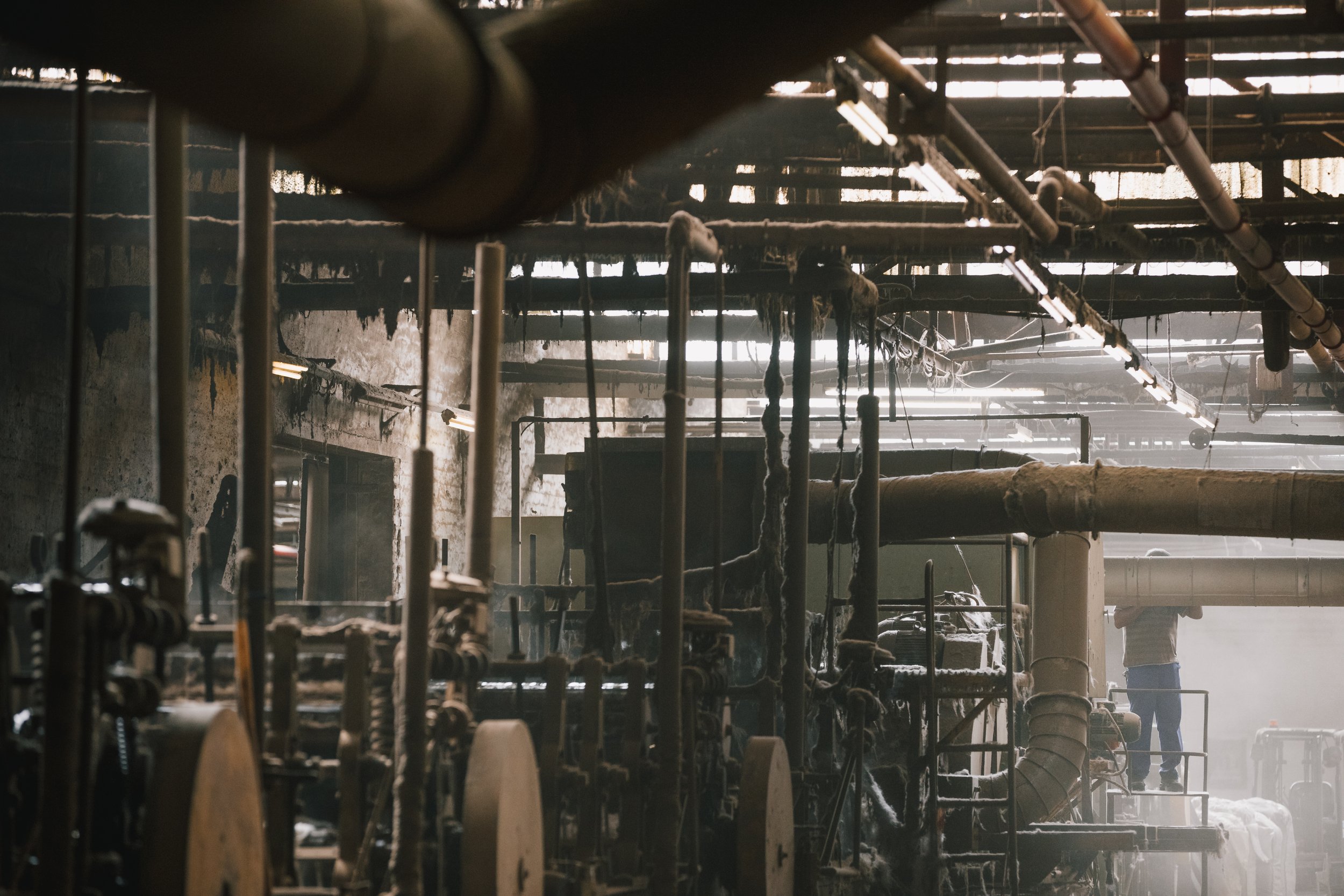
Every stage of the mohair value chain has a sound. The individual steps of Angora goats moving across the Karoo veld. The rhythmic snip of shears during shearing. The soft rush of fleece being sorted and graded. The mechanical hum and clatter of processing machinery. The quiet whisper of yarn being wound. The subtle swish of a finished garment in motion.
These sounds are not incidental. They are the soundtrack of a living industry - and they are the definition of beauty. The concept proposes that if you slow down and truly listen, you discover that beauty is not reserved for the end product on a hanger or a runway. It is present at every single moment of mohair's journey. This became the unifying creative principle for the film. Sound was elevated from background texture to central character- shaping the edit, driving the pacing, and connecting each stage of the value chain through a continuous sensory thread. The visual and sonic experience of mohair were treated as inseparable.

Creative Approach
Sound as the Primary Storytelling Device
In most brand films, sound design supports the picture. In this film, we inverted that relationship. Sound was designed and recorded first in principle, treated as the emotional and structural backbone of the piece. The Karoo's natural acoustics, the textures of the fibre at work, the voices of the people within the industry: all were captured with the same care and intention as the cinematography.
The result is an industry video where closing your eyes tells you as much as opening them. Each scene was crafted so that the sound alone communicates where you are in the value chain, and that the sounds are, without exception, beautiful.
Visual Sense of the Fibre
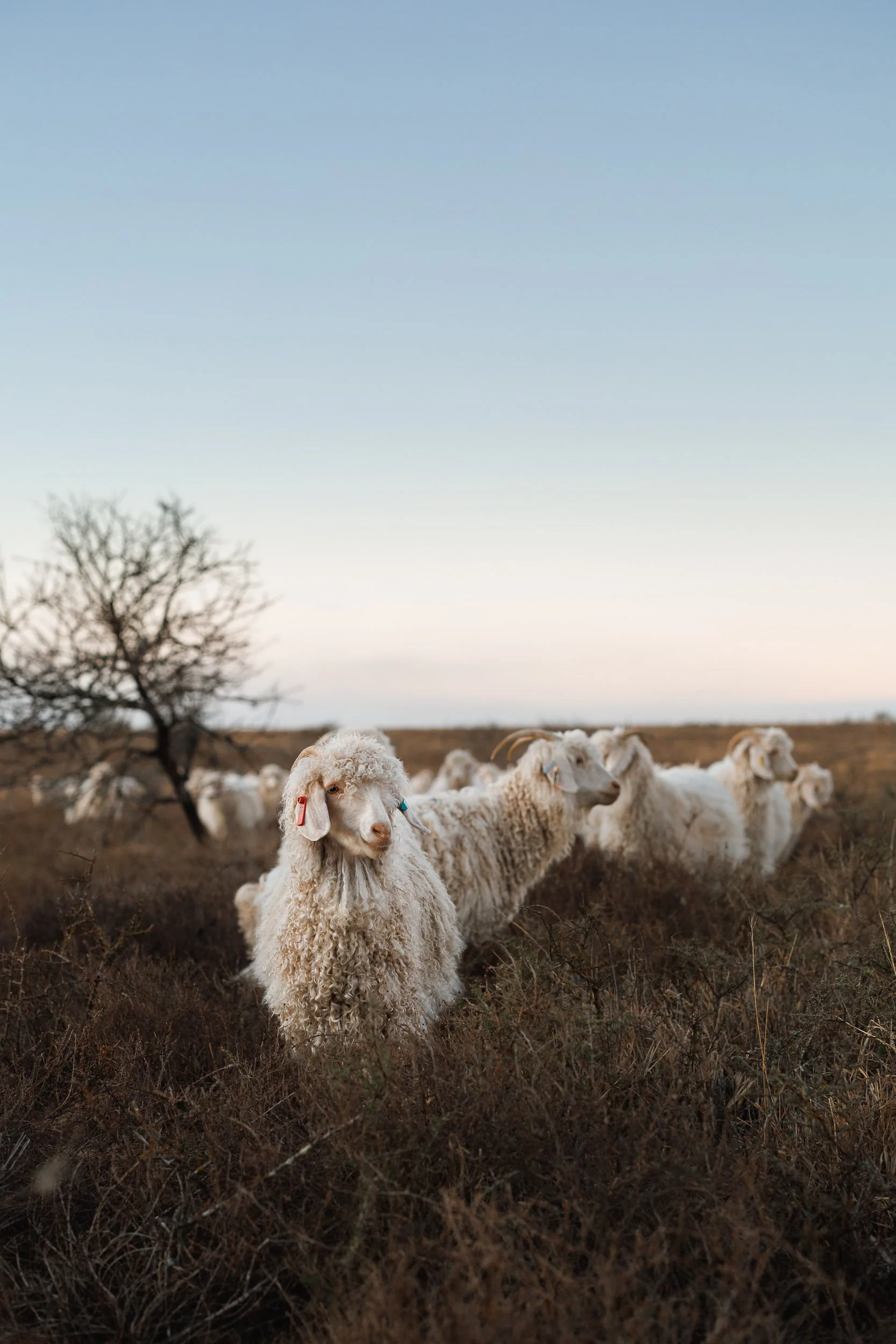
Alongside the sonic dimension, the visual treatment of mohair fibre itself was central to the concept. The camera was used to explore the fibre in ways rarely seen: the individual staple caught in morning light, the movement of a fleece as it falls, the transformation of raw material as it passes through processing, from greasy and wild to clean, luminous, and refined.
Close-up cinematography allowed the texture of mohair to become almost architectural, revealing a beauty in the fibre itself that exists long before it becomes a product. This visual intimacy with the material was sustained across the entire value chain, creating a consistent visual language that connects every stage.
Production
Location & the Value Chain Journey
The film follows mohair through its full journey across the South African landscape and industry:
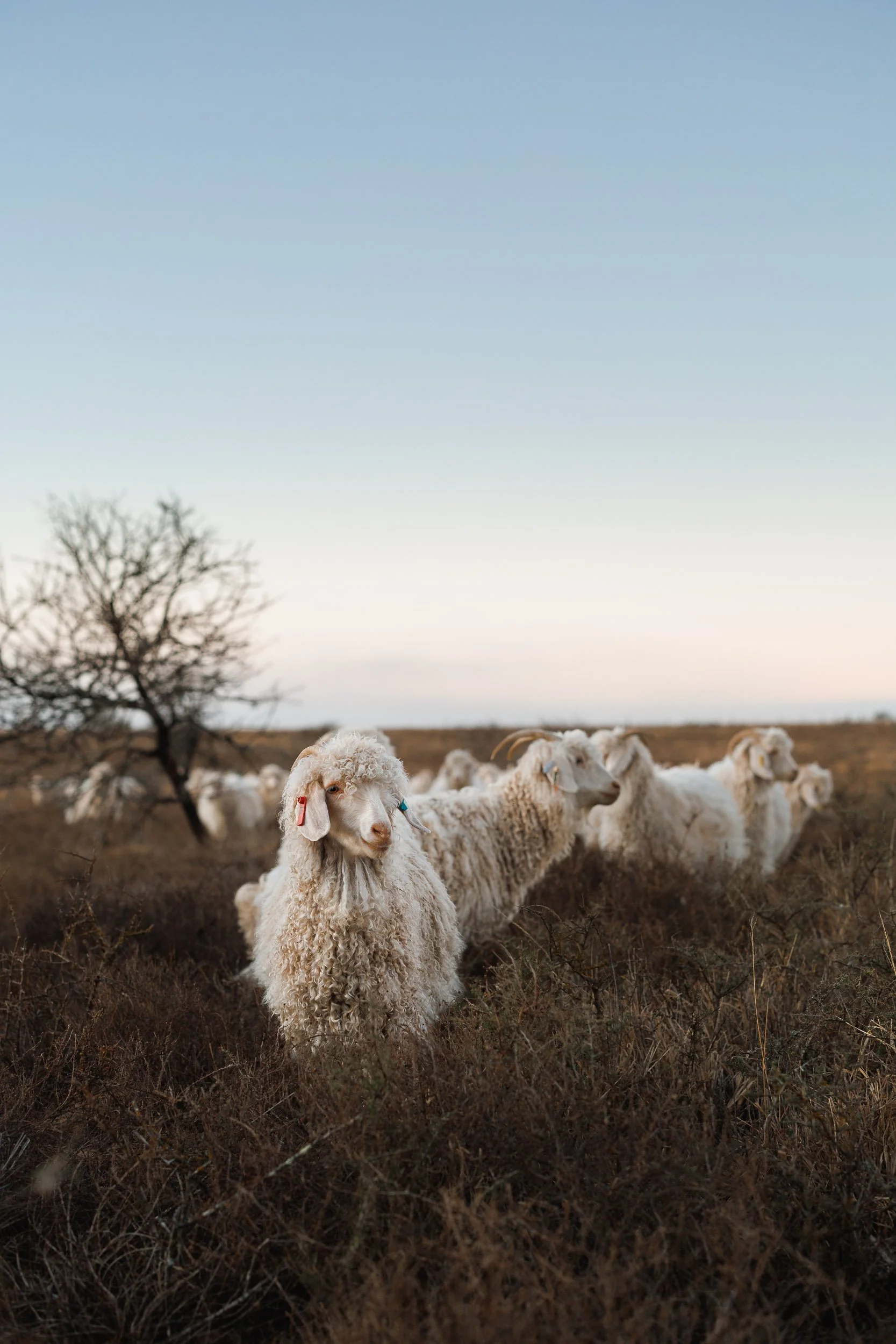
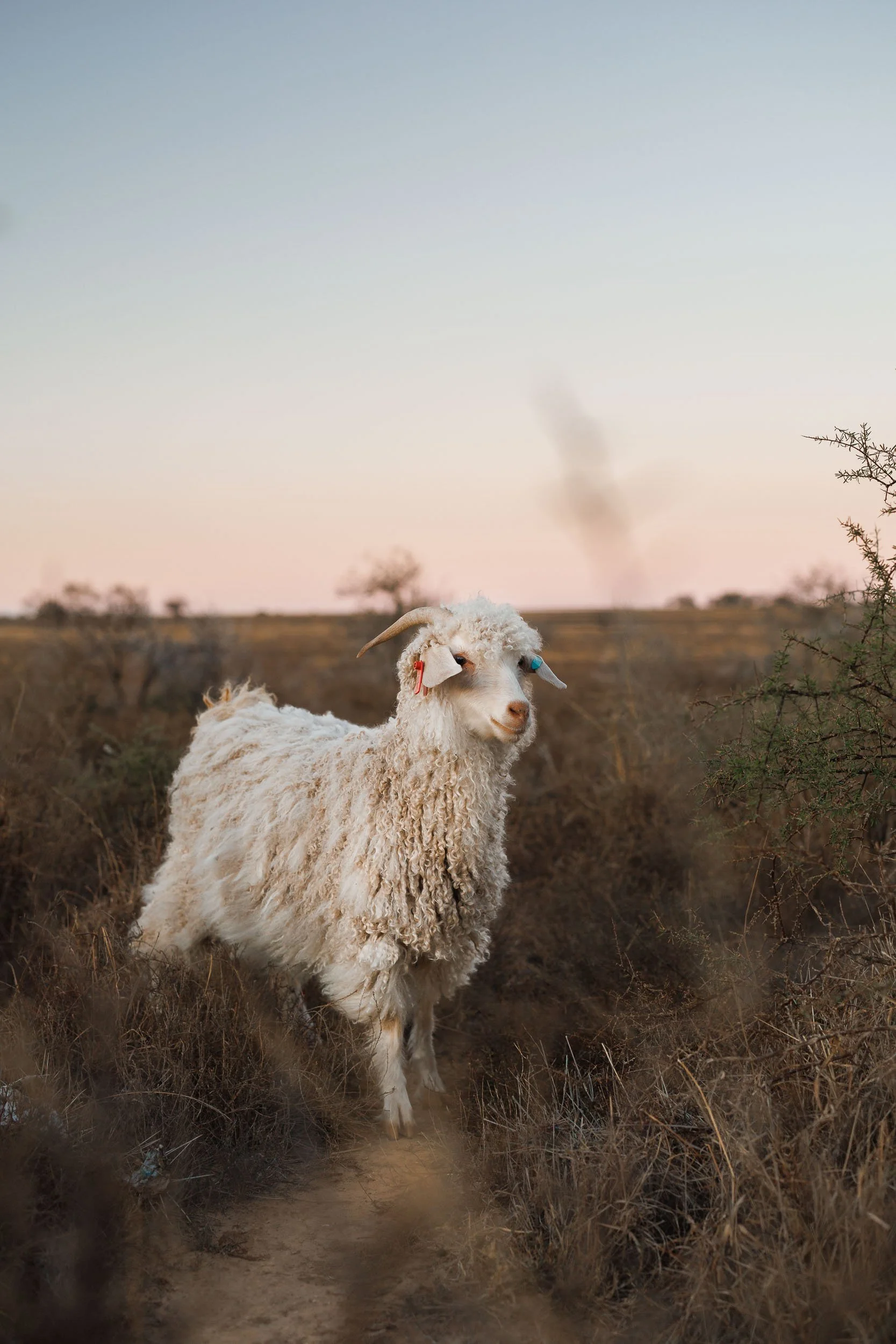
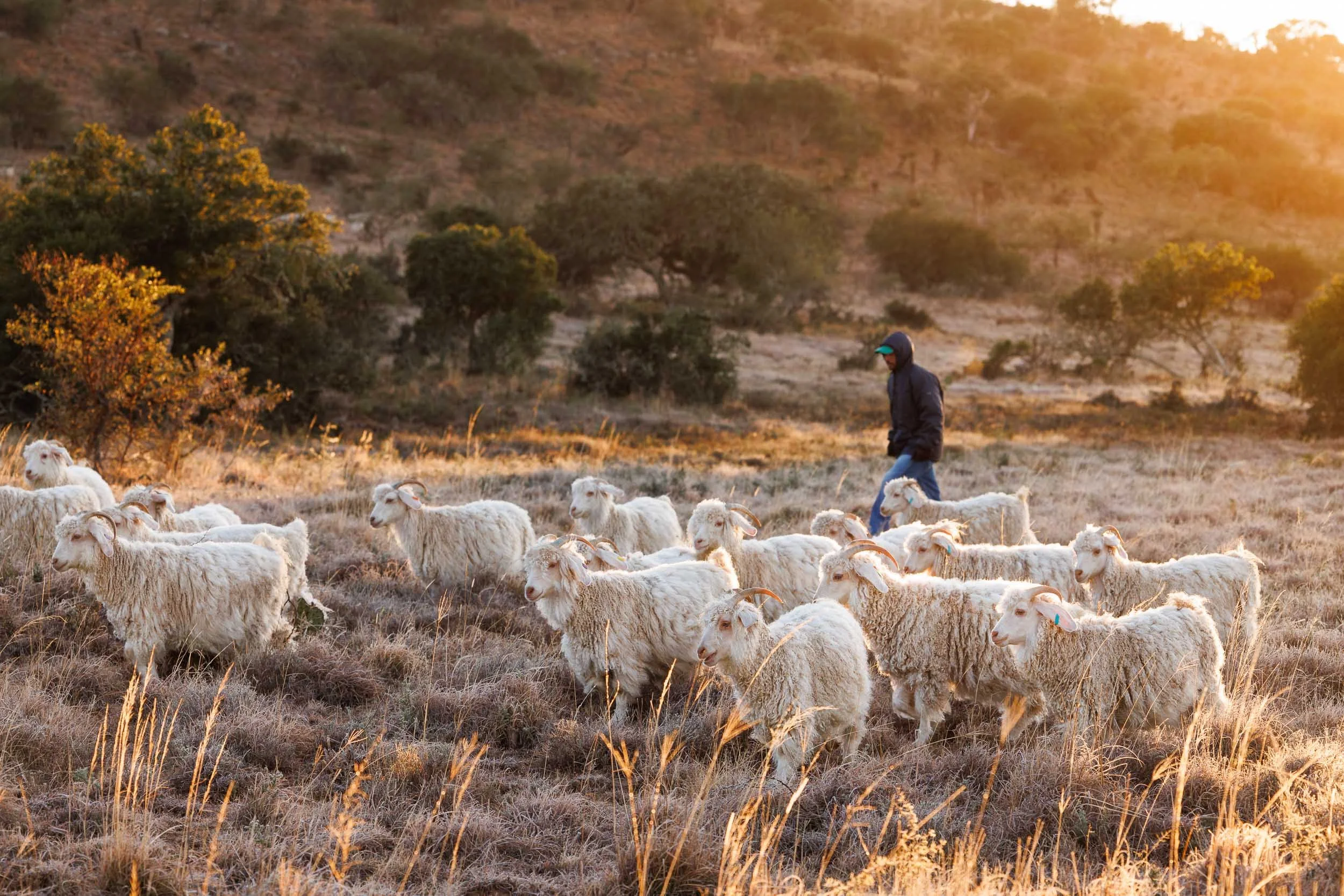
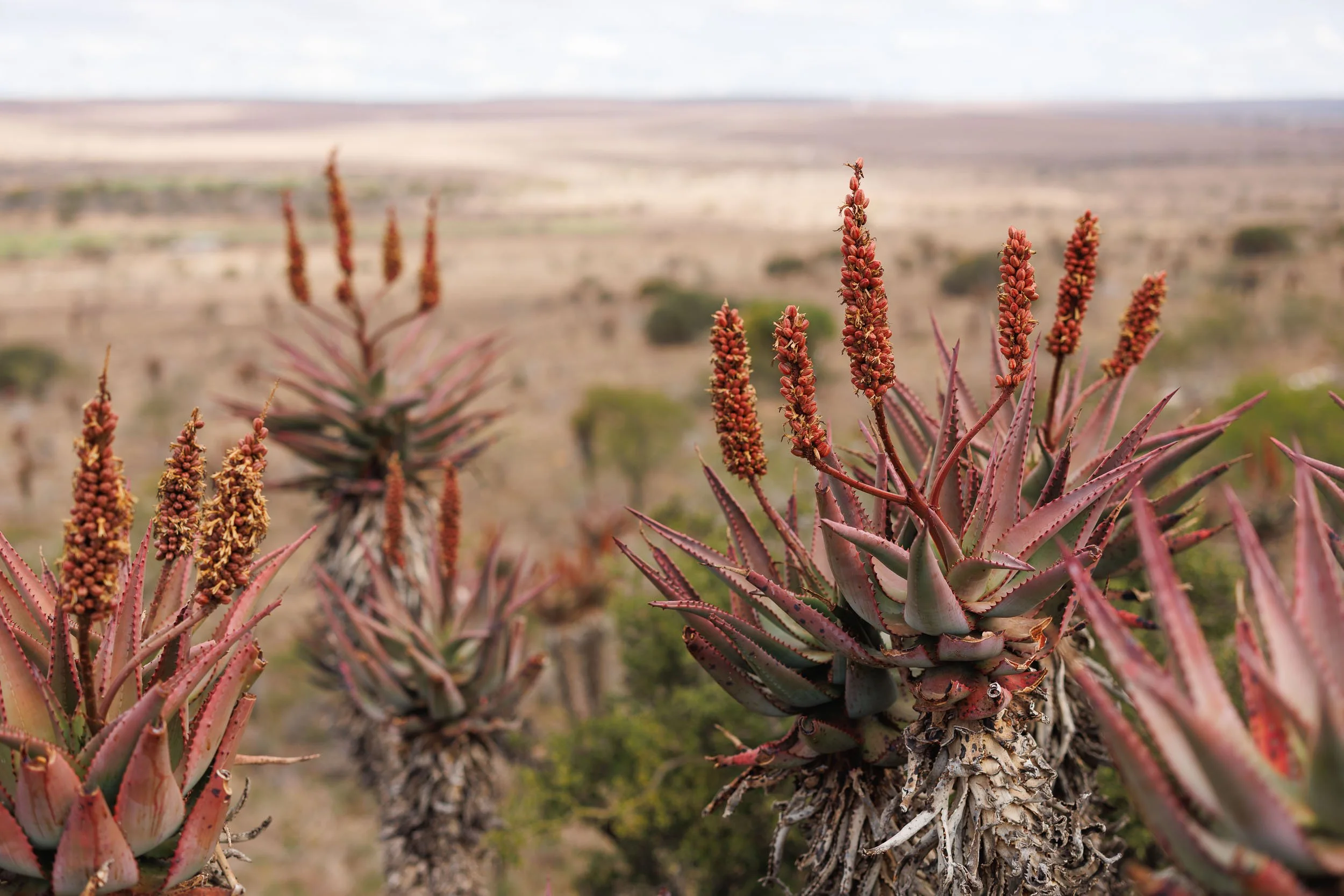
The Karoo | where Angora goats live and graze, and where the raw beauty of the fibre begins
The shearing shed | where the harvest takes place in a choreography of skill, sound, and motion
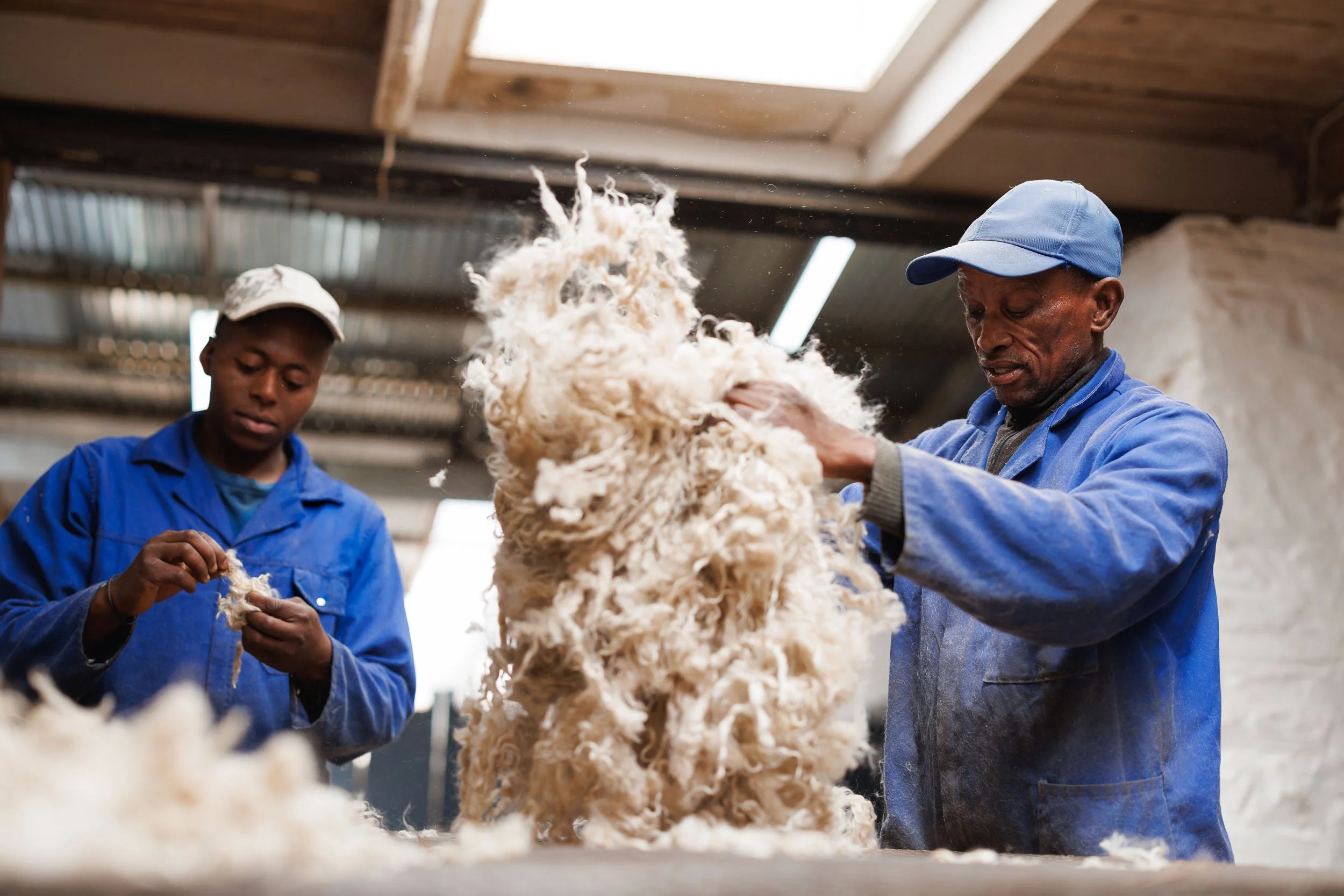
Sorting and grading |where hands clean and grade the fleece, and the fibre begins its transformation
Processing facilities | where the industrial sounds of cleaning, carding, and combing reveal their own unexpected music
Spinning and weaving | where the fibre becomes yarn and the yarn becomes fabric, with its own delicate acoustic signature
The finished product | where the journey arrives at the softness and lustre mohair is renowned for

Post-Production
Sound design & mix
Post-production sound was treated with the same ambition as the original recording. The sound design wove together the natural sounds of each value chain stage into a continuous, evolving texture - one that shifts in character as the film progresses but never loses the thread of beauty. The mix was crafted to reward attentive listening, with layers of detail that reveal themselves across multiple viewings.
Music
The music soundtrack was meant to sit along side the natural soundscape rather than override it. This restraint was intentional: the sounds of the industry are compelling enough. The music's role was to lift and frame them, not replace them.
Edit & Pacing
The edit was structured around sonic and visual rhythm rather than conventional narrative structure. Cuts were made on sound as often as on picture, creating a flow that feels intuitive and immersive. The pacing opens slowly — allowing the viewer to settle into the sensory world of the Karoo — and builds in texture and energy as the value chain progresses, arriving at the quiet elegance of the finished fibre with a sense of earned beauty.
Colour Grade
The grade was designed to honour the natural colour palette of mohair at every stage, from the creamy warmth of raw fleece to the richness of dyed yarn. Skin tones and natural textures were handled carefully to preserve their authenticity. The Karoo light which is golden, wide, and unforgiving was used as the film's environmental signature.
Creative team:
Client: Mohair South Africa
Concept development: Jessica Charnock and Ross Charnock
Storyboard: Jessica Charnock and Ross Charnock
Videography: Ross Charnock
Second shooter: Dyllan Knox
Audio recording by: Ross Charnock and Azola Fumba
Assistance: Azola Fumba
Editing: Jessica Charnock and Ross Charnock
Sound engineer: Raymond Finn
Colour grading: Ross Charnock
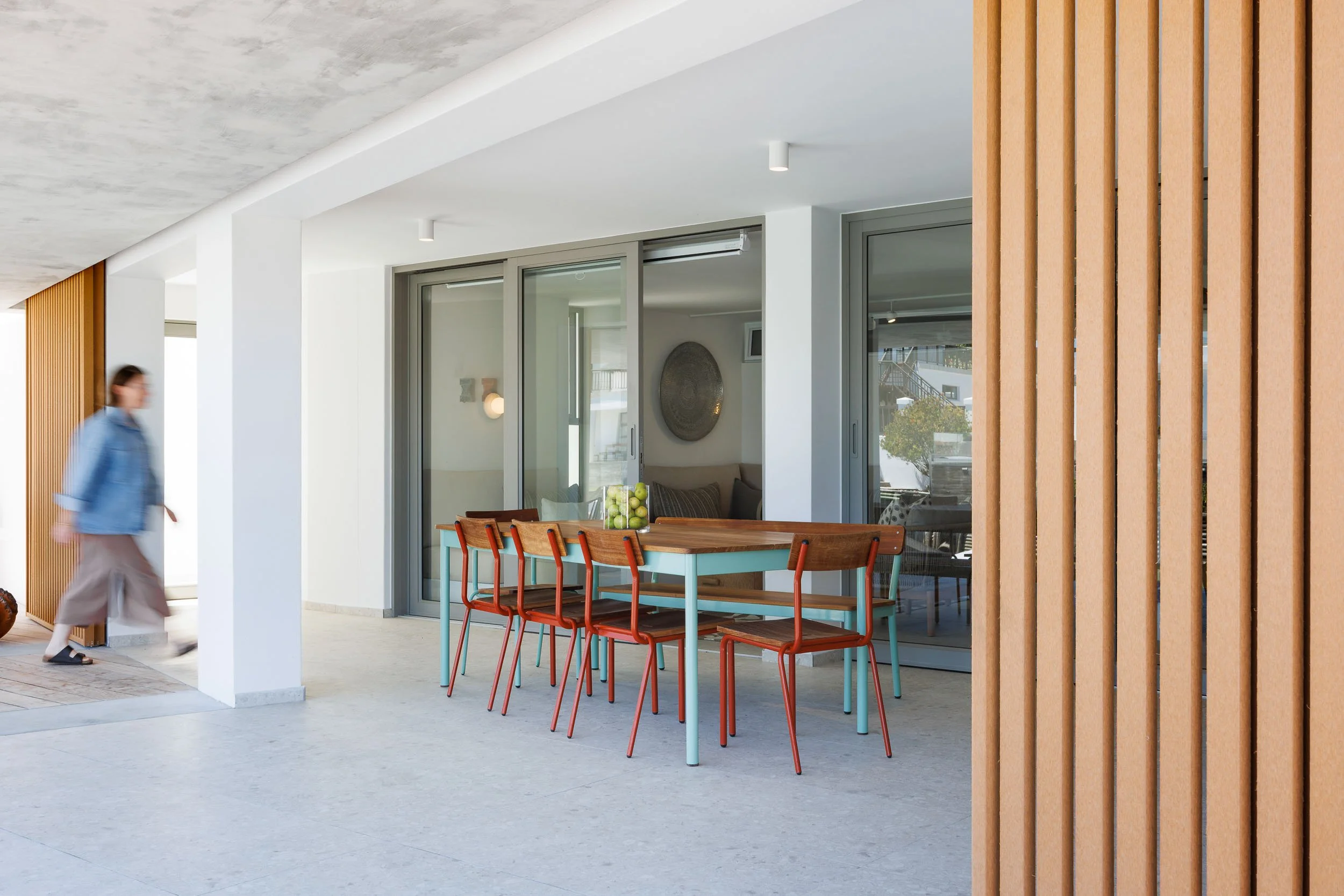
Architecture & Interior Photography | Waddell House, St Francis Bay
Architecture photography lives and dies on detail work, and this project had plenty. The brushed brass tap against the Calacatta marble splashback. The copper-framed mirrors in the master ensuite. The fluted timber nightstand beside a globe wall sconce.
CLIENT
STRUKT Architects
INDUSTRY
Architecture
SERVICES
Architectural, interior, residential, hospitality photography
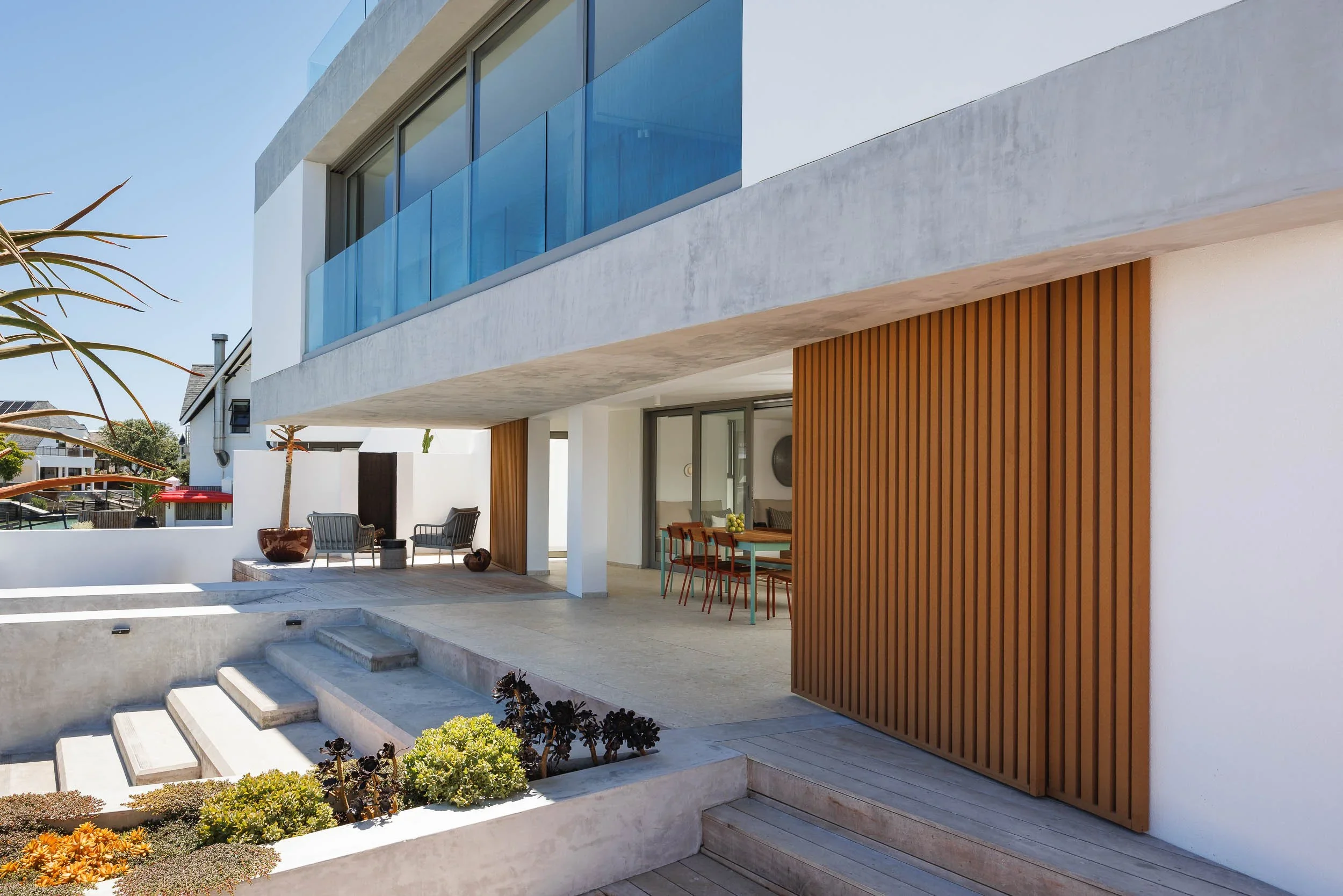
St Francis Bay sits about one and a half hours West of Port Elizabeth / Gqeberha . Strukt Architects commissioned me to document the newly completed Waddell House, a canal-side residence that gave me a lot to work with across both exterior and interior. I spent the day working through the building systematically, exterior at different times of day, interiors mid-morning when the light was soft and controllable, and then back outside in the late afternoon for the warmer facade shots.
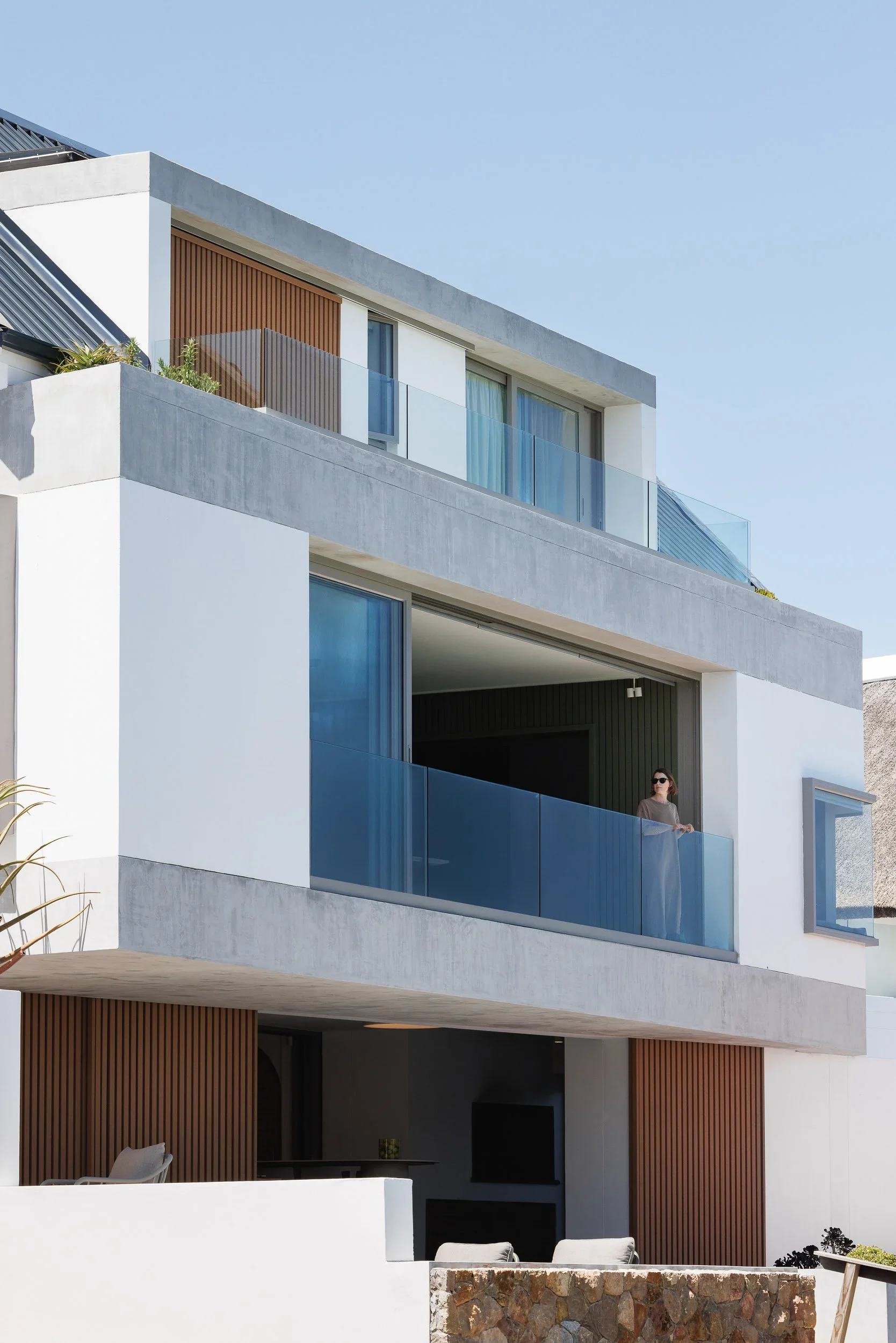
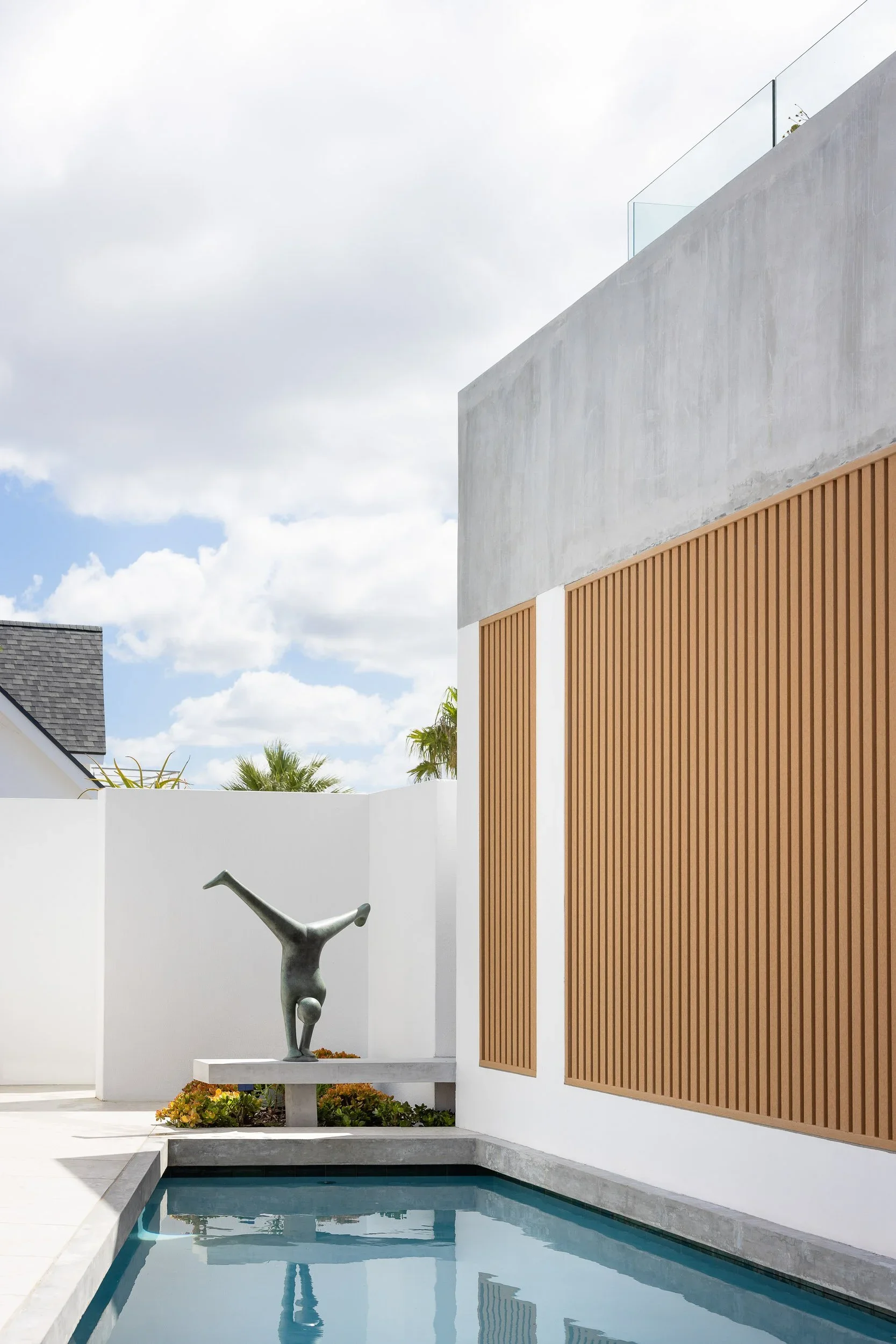
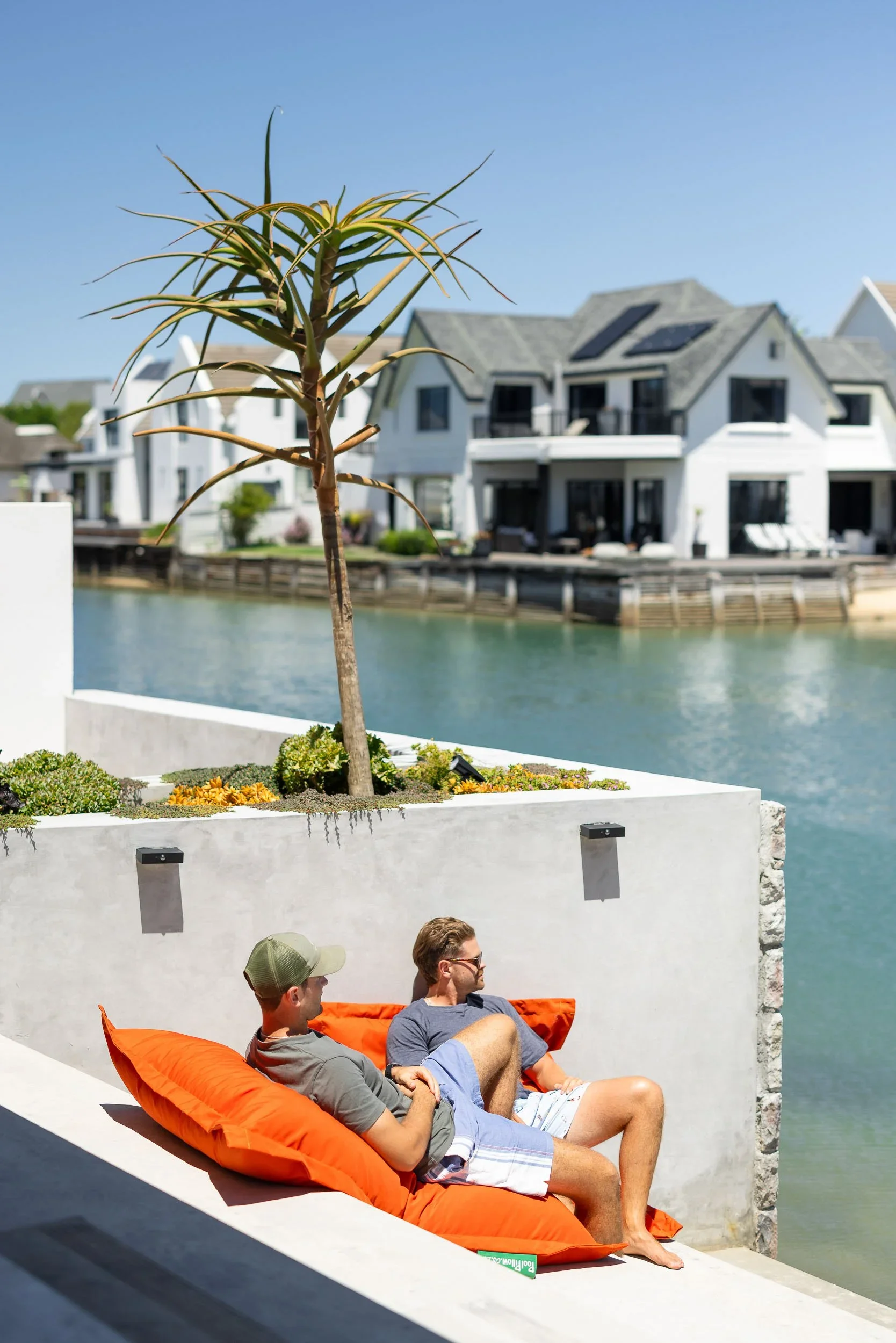
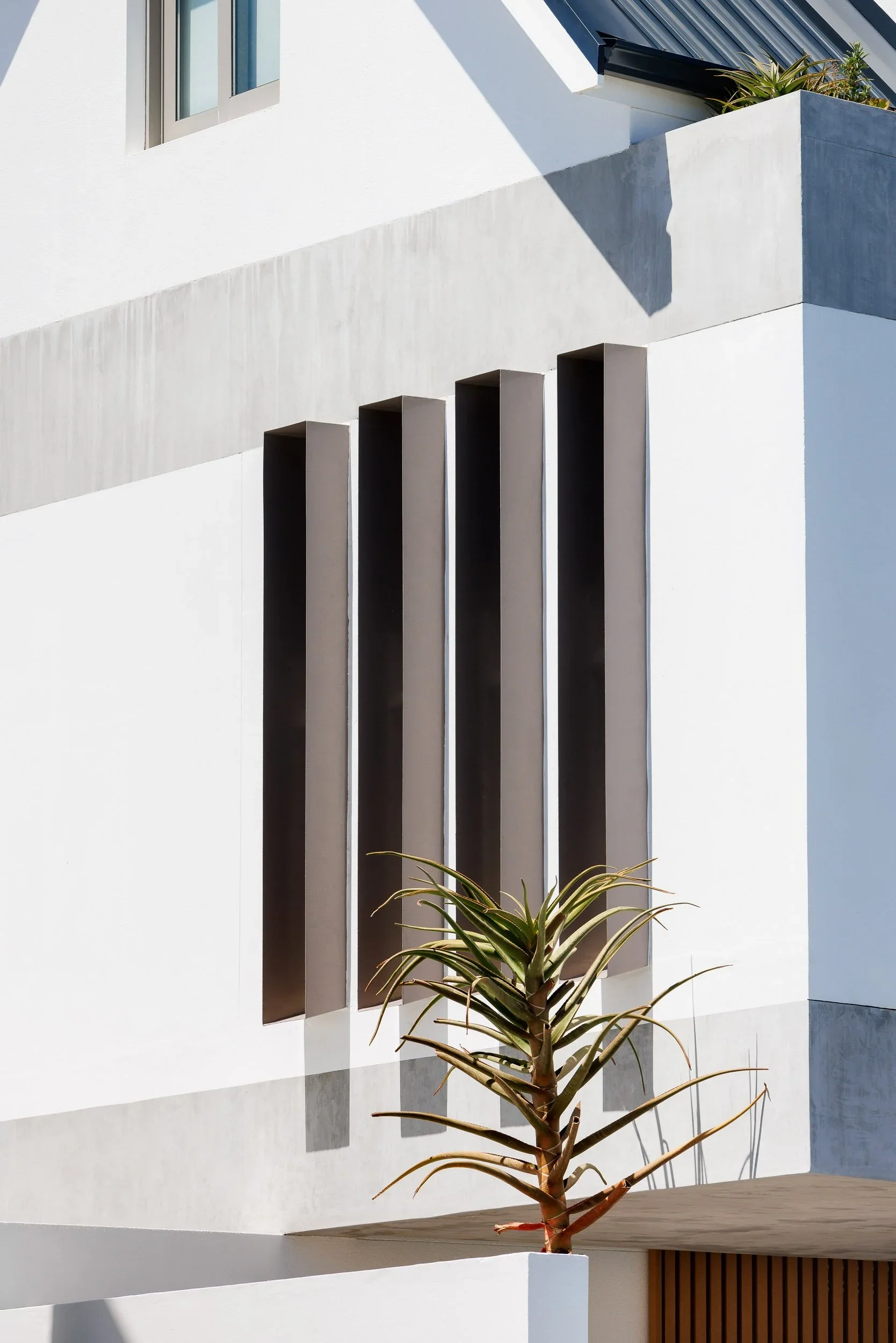
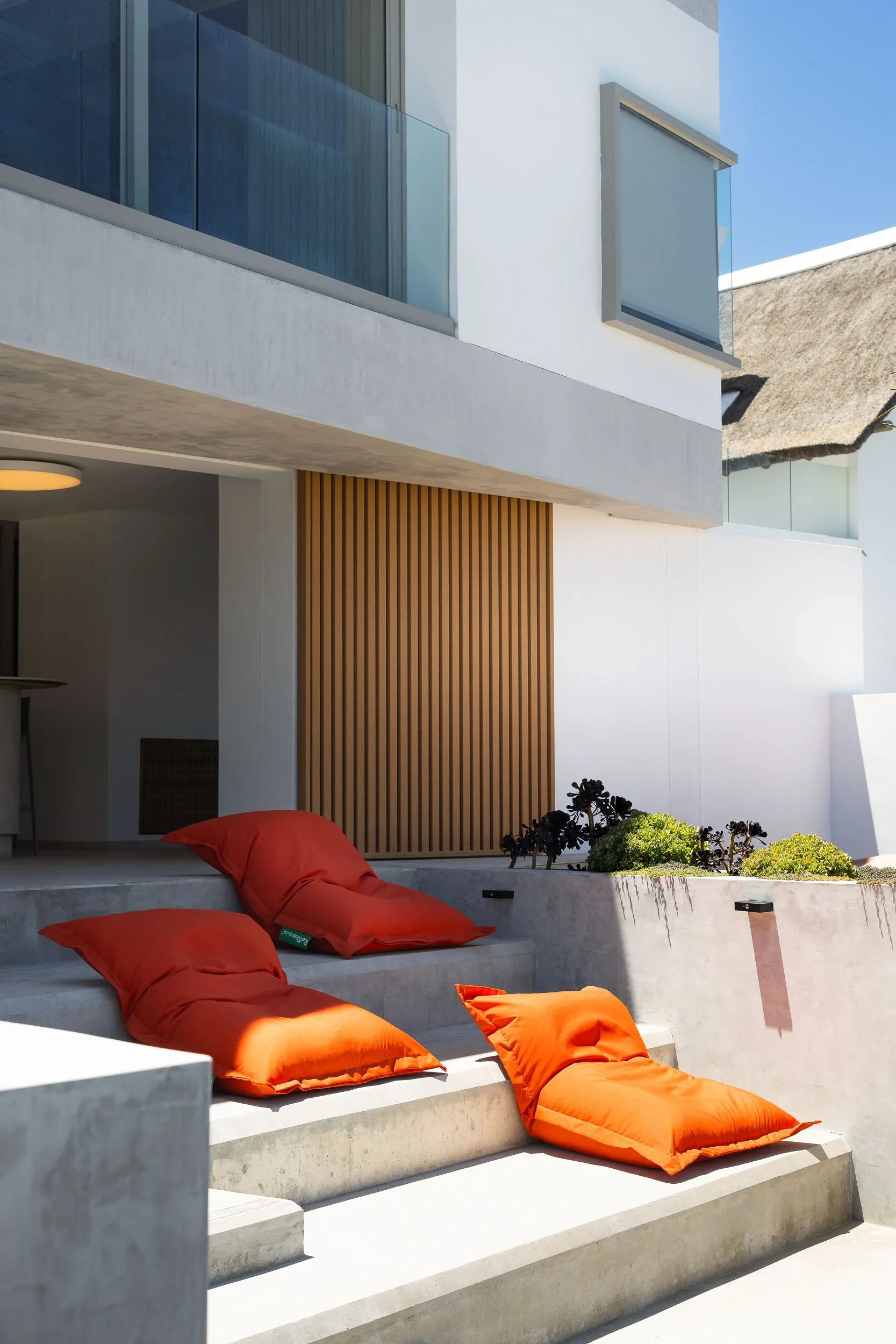
Exterior architectural photos
The building faces the canal, and that created some interesting challenges early on. Shooting into a canal-facing facade means dealing with reflected glare off the water, which can either work beautifully or flatten everything depending on the time of day and where you're standing or in this case floating on a boat. I spent time finding the angles where that reflection was an asset — a shot of the timber deck with the turquoise water bleeding into the background — rather than fighting it.
The upstairs balconies gave me a strong graphic composition of the unique angular pool with its teal tile step, and the concrete coping with the planted border. One of my favourite frames from the shoot. From ground level the pool reads differently, intimate, with the bronze sculpture on its plinth beside the batten screen giving it a sense of scale.
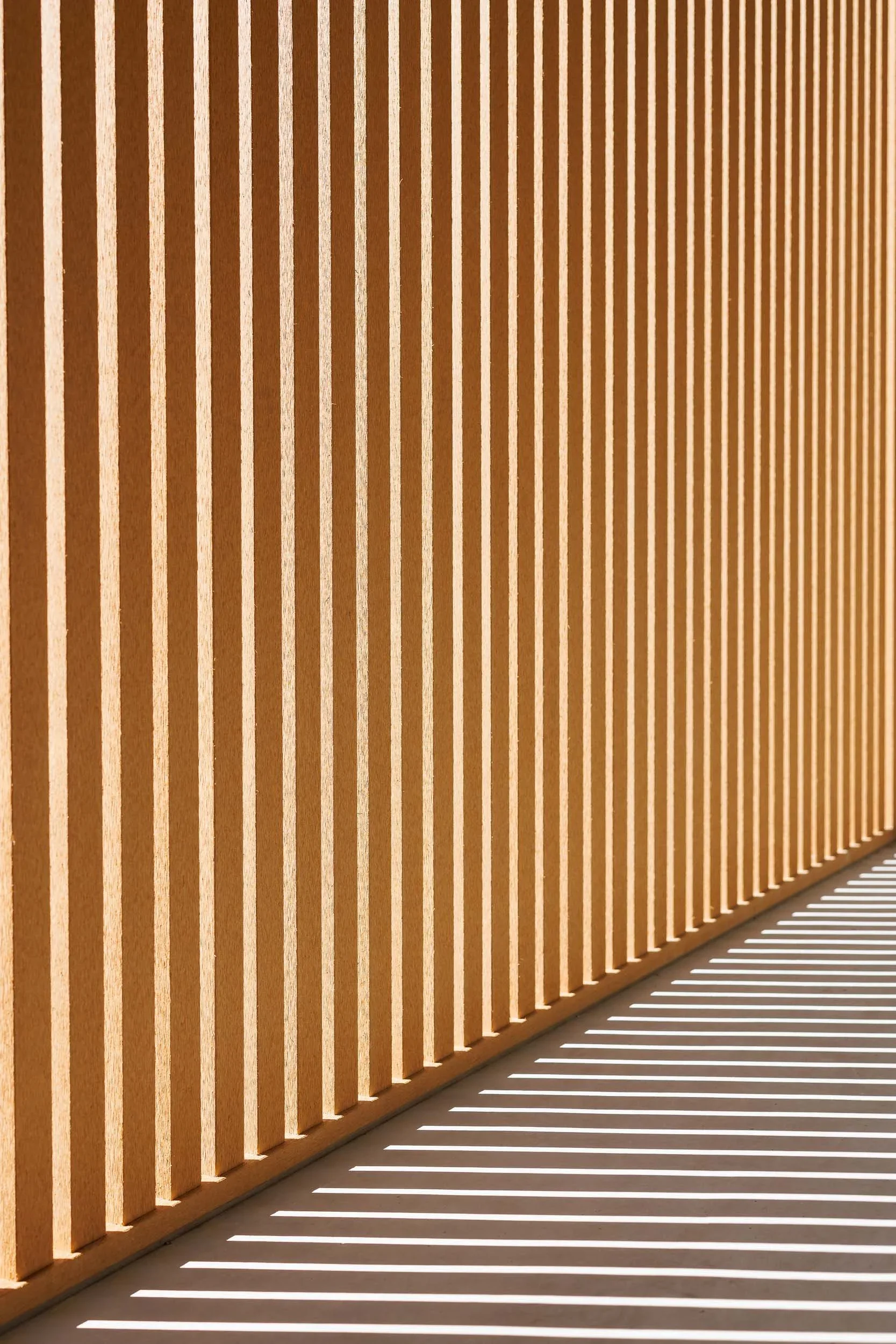
The timber batten screens were something I kept coming back to throughout the day. Shot directly they're a texture detail, shot with light streaming through them they become something else entirely, almost abstract. Getting that light-through-batten frame required patience and the right time of day, but it's worth it when the geometry lines up.
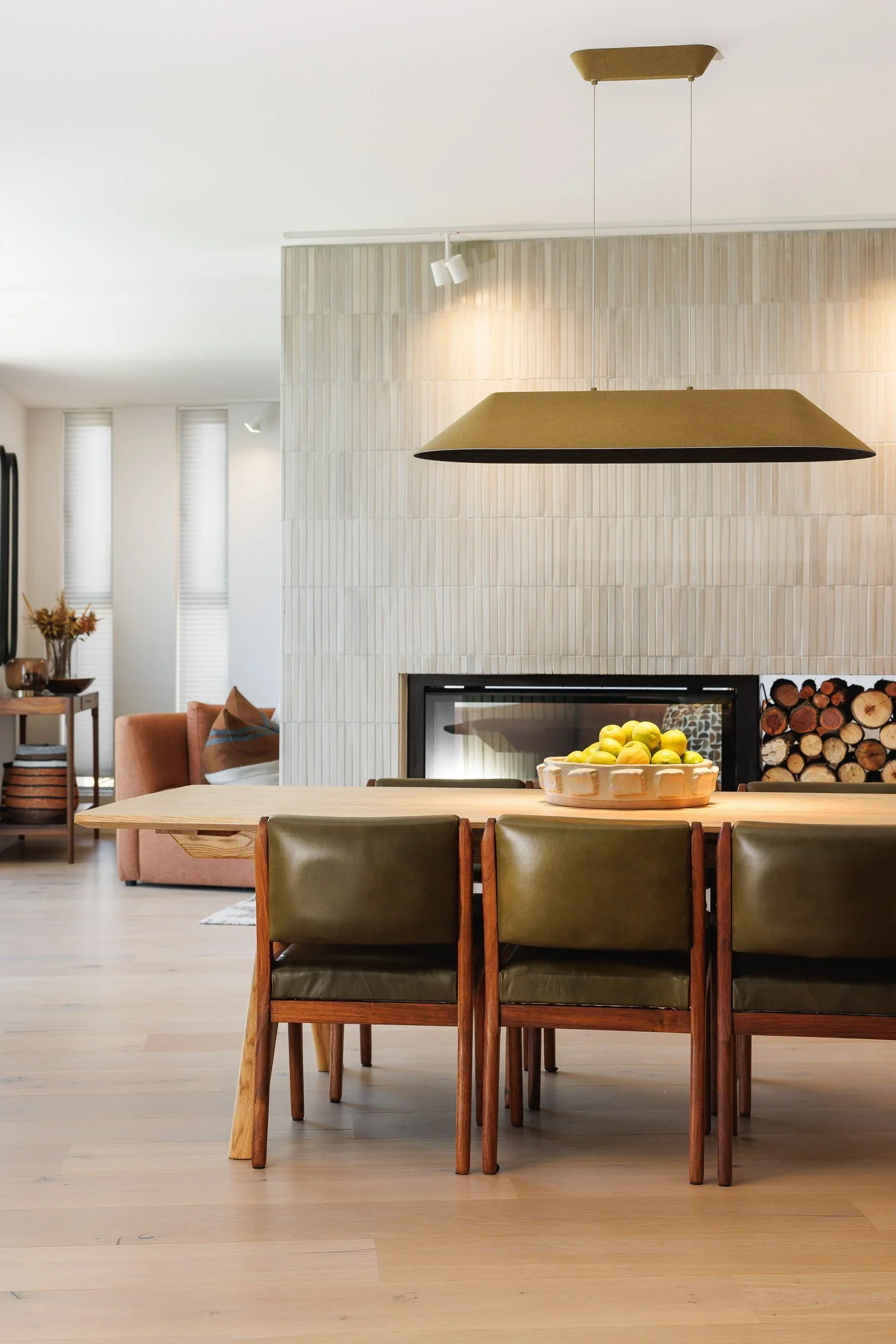
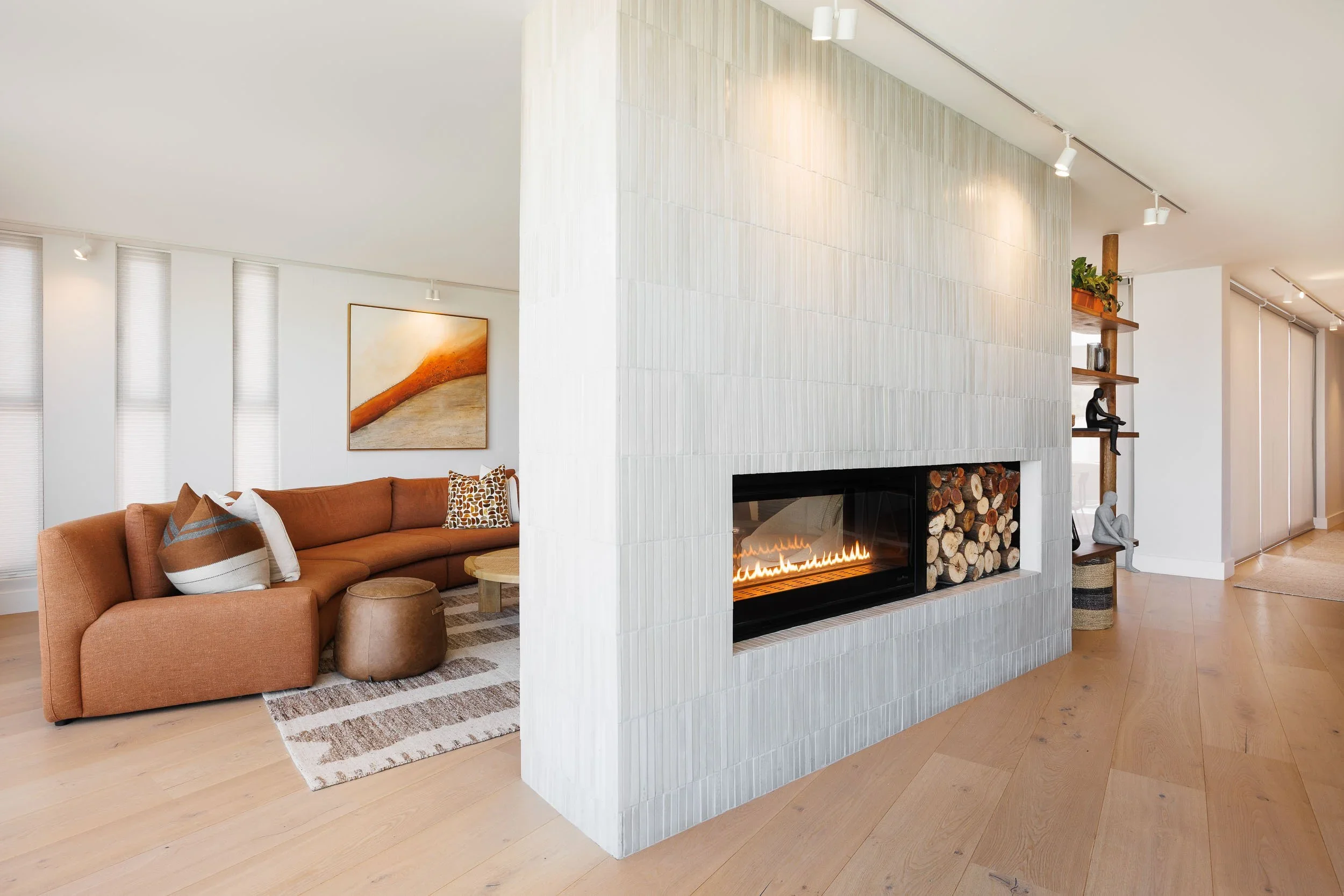
Interior photos
Interiors like this, open plan, lots of natural materials, plenty of windows — can be deceptive. The space looks easy but controlling the light balance between window and interior takes careful exposure work and sometimes a bit of supplementary light to hold detail in the shadows without blowing the windows. I wanted to keep everything feeling natural , so I kept any additional flash subtle.
The fireplace wall was a great central framing element that broke the space up. Photographed from the dining side with the olive leather chairs and textured pendant in the foreground, it anchors the space well. From the living side you get the custom designed curved terracotta sofa and pebble like occasional chairs with the fireplace as a vertical divider. These were two very different frames from essentially the same piece of architecture.
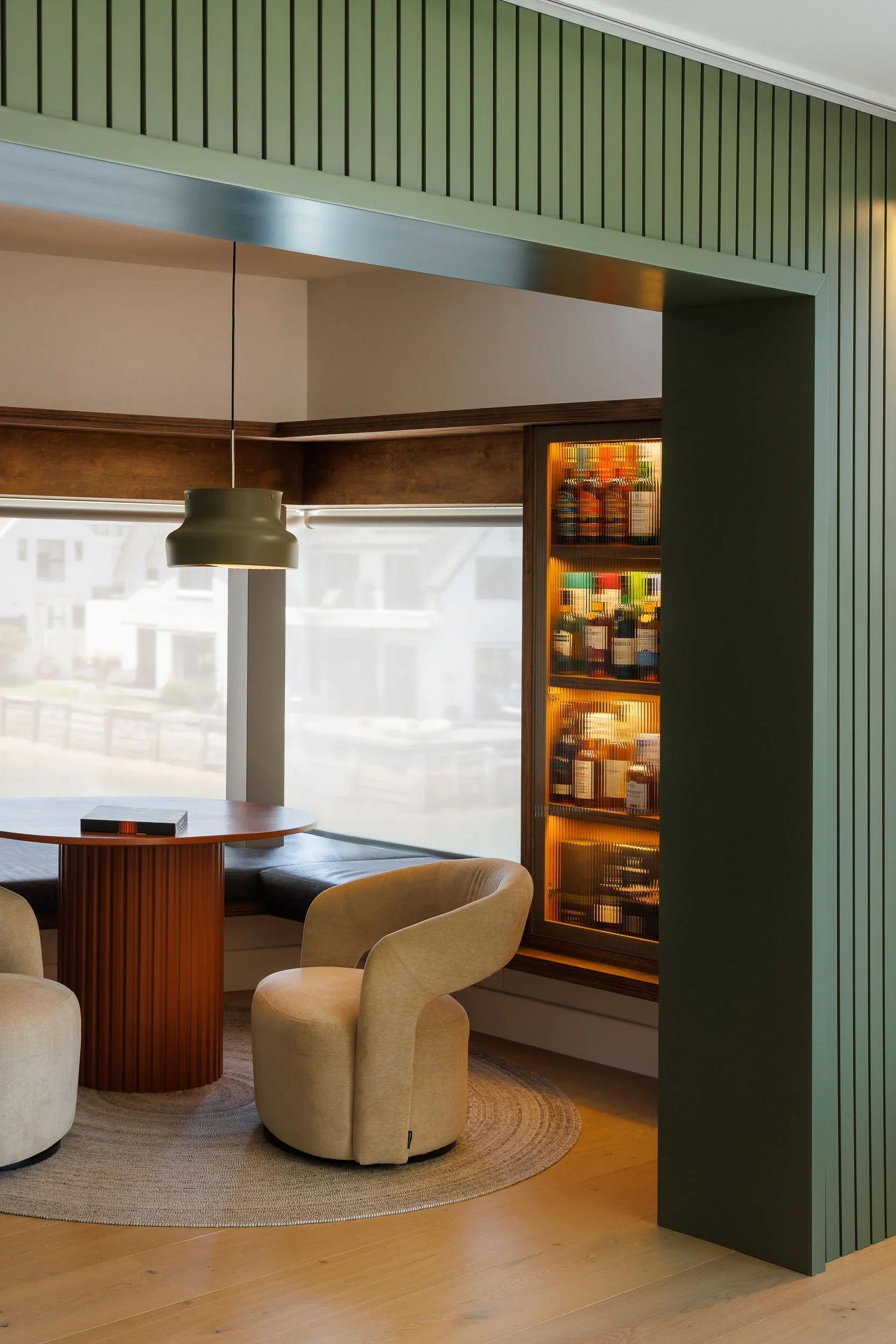
The whisky nook behind the sage green slatted wall was a detail that could have been rushed past on a faster shoot. It's a tight space, and getting a camera angle that showed the backlit shelving, the slatted walls, and the curved armchairs in the same frame took some manoeuvring, but reads as one of the most atmospheric spaces in the house.
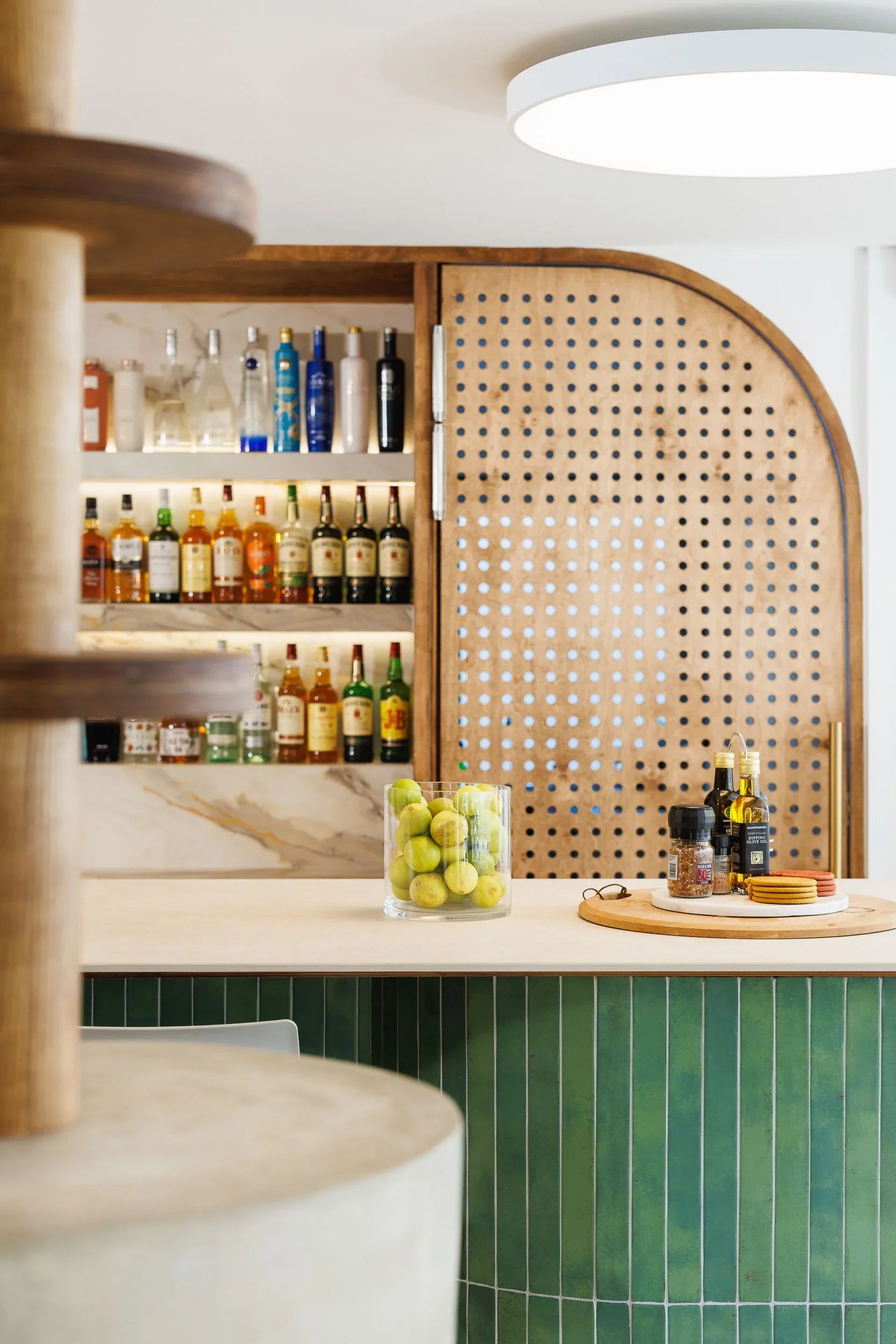
Architectural details
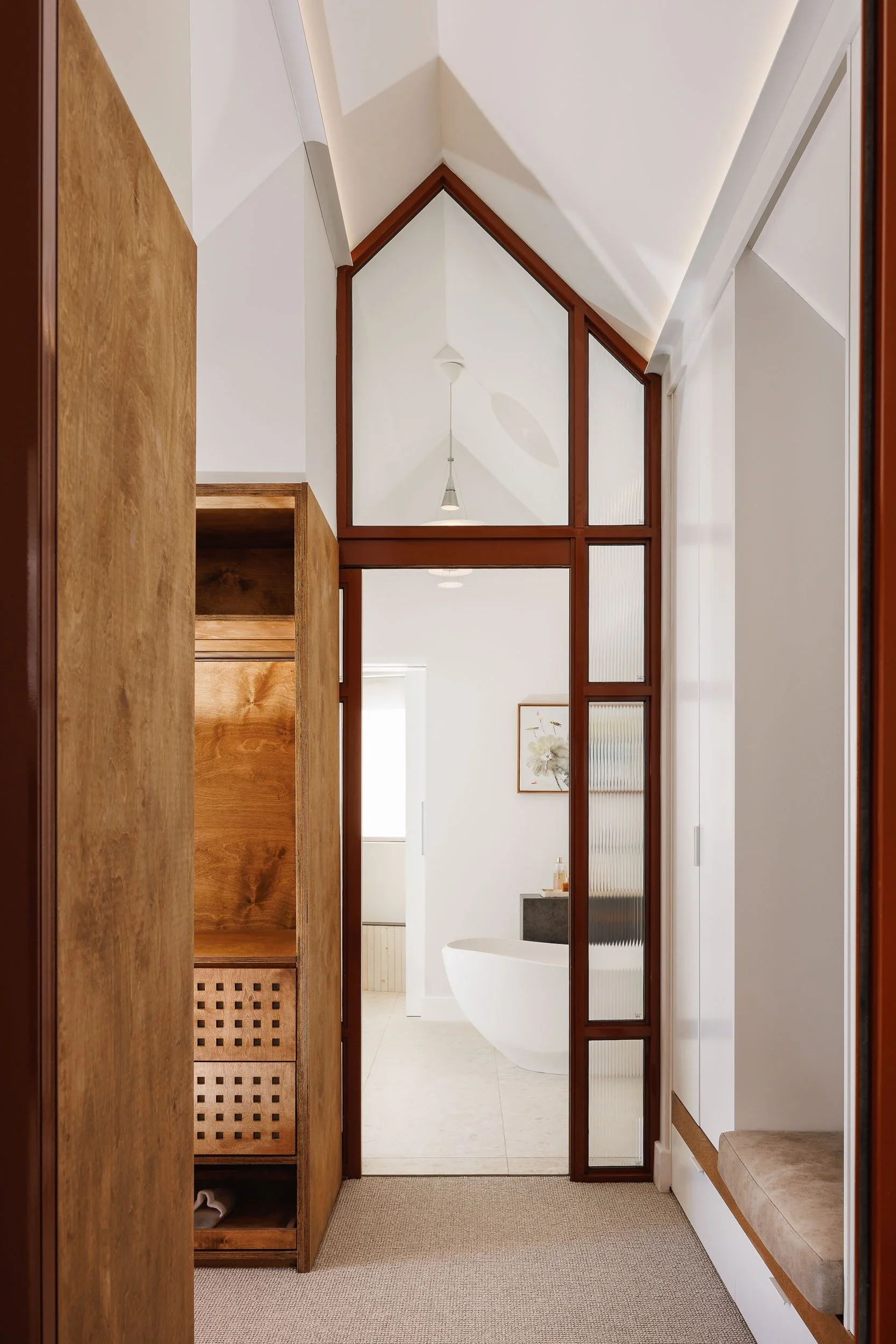
Architecture photography lives and dies on detail work, and this project had plenty. The brushed brass tap against the Calacatta marble splashback. The copper-framed mirrors in the master ensuite. The fluted timber nightstand beside a globe wall sconce. The green-veined marble in the shower niche. These frames don't replace the wide establishing shots ,they sit alongside them and do the job of communicating the material quality that a wider lens can't fully capture.
Architect, Ashleigh Basson co-owner of Strukt, had everything dressed beautifully, which made the detail work rather satisfying. A well-placed vase on a marble island or an anthurium on a bedside table sounds small, but it's the difference between a space that reads as finished and one that reads as a showroom.
If you're an architect, builder or designer with a project in the Eastern Cape, please get in touch so we can capture images like these together.